Having grown up in Hyderabed during my early childhood, the taste for South Indian food just cant escape my being. Idli Sambhar continues to be my staple comfort food and Podi of the Andhra kind is my forever delight moment!
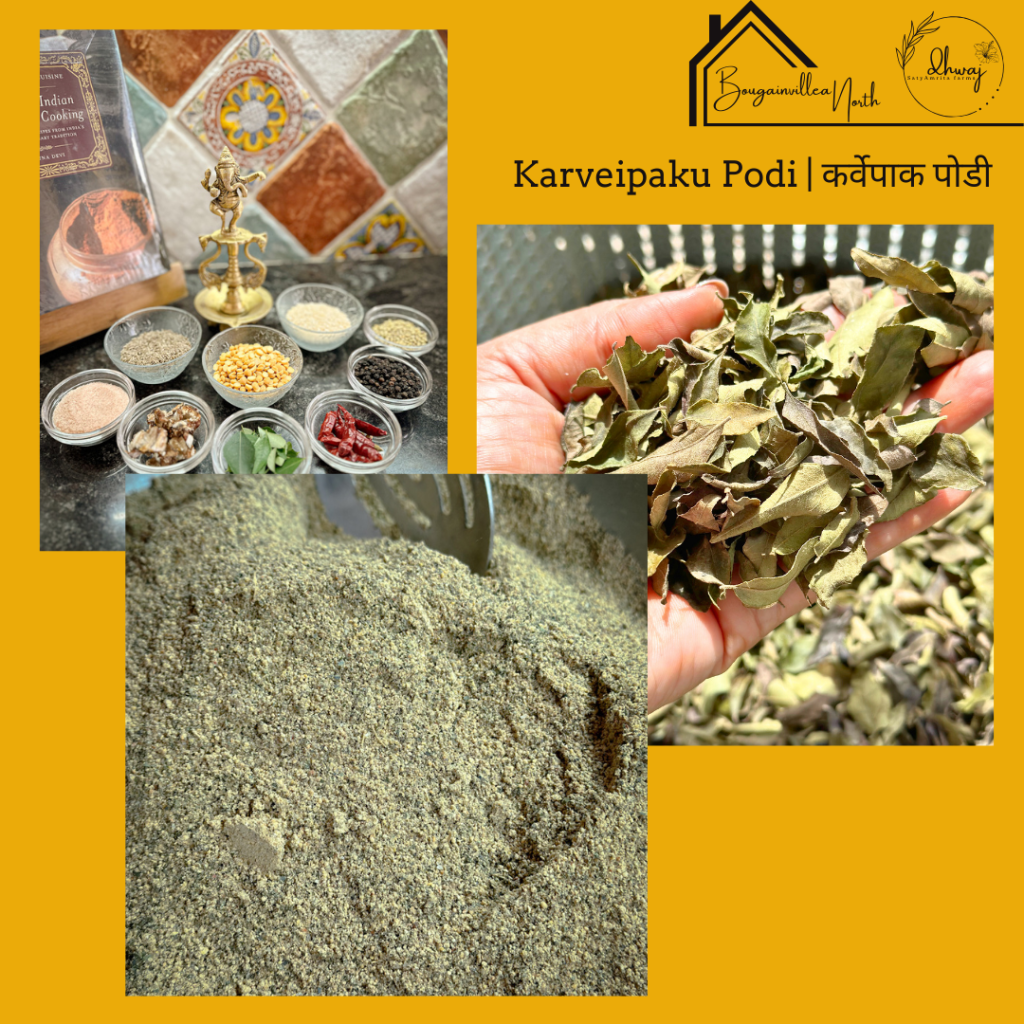
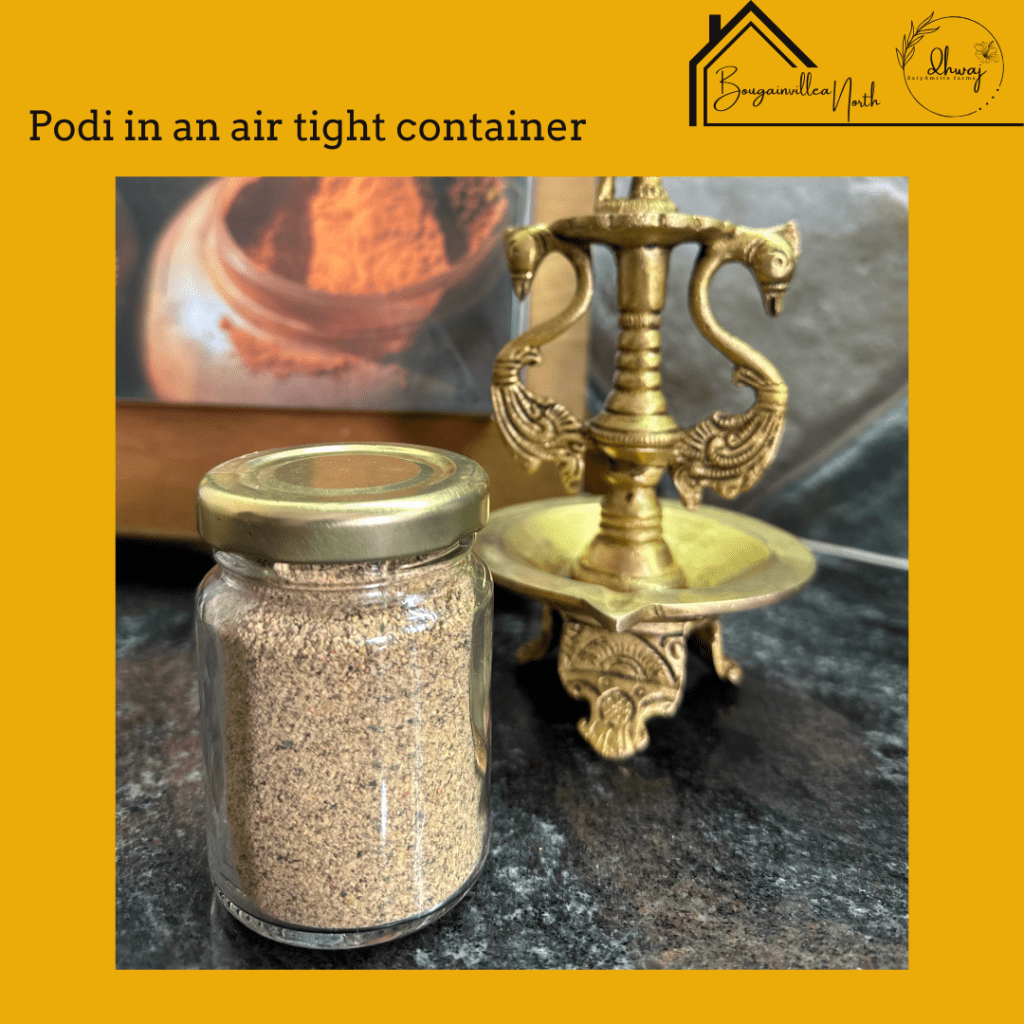
Karveiypaku Podi – A power packed powder condiment
A tangy powder spiked with roasted spices, this podi is the perfect way to relish Curry Leaves. Like the connoisseurs will tell-tale; take a heaped spoon full of powder, make a small well in the middle of this mix, fill in with warm ghee until its just about to overflow. Now use your finger giving a good swirl dissolve the powder into a magic potion for Idli, Dosa, Upma, Warm Rice or just about anything that needs a taste lift!
Karveipaku aka Curry Leaves is the main stay ingredient in this dish. This poweder is a staple condiment that is found in almost all Andhra Homes but now turns out to be a tasty addition to many quintessential food types.
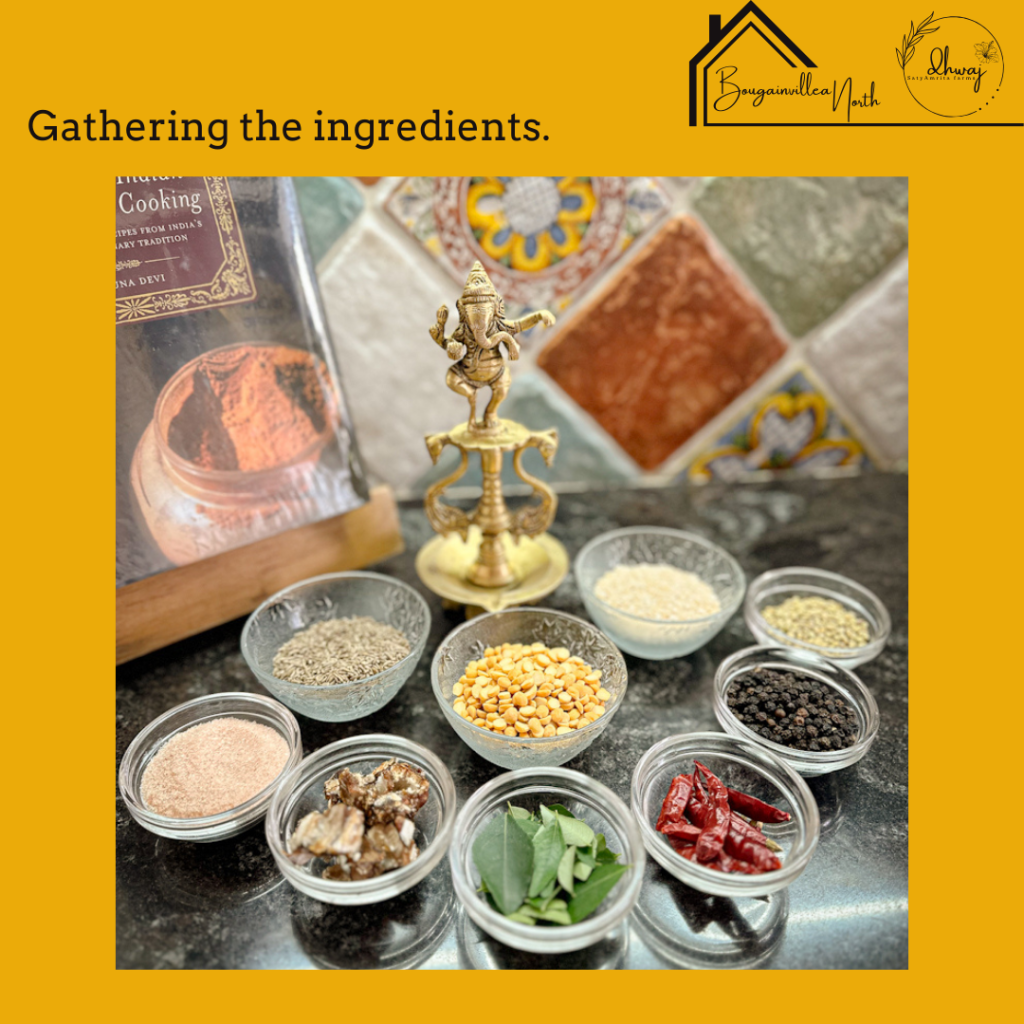
Ingredient List
Dals / Lentils – Channa , Urad
Dry Roasted & Ground Spices – Whole dried red chilly , Jeera , Dhania , Black Peppercorns
Tang – Dried and ground tamarind
Salt
The process of these podi’s is critical to follow. The dry roasting method combined with the appropriate ingredient proportions make all the difference in its taste, also intriguingly unique to the homes it comes from. In mine, I picked this up from my Mother-in-law. The Podi you will savour is from the Mushunuri Household, a must have in our kitchen almost 365 days a year. We make our fresh batches almost ever other month.
Click the video & watch our kitchen as we mix in all the Podi Ingredients to make that special condiment.
The Karveipaku Podi is a favorite in my house served up over soft warm upma as well. On special festivals, it can be sprinkled piping hot Pongal too.
The magic in the podi comes alive when it mixes in with Pure Desi Ghee, melted white butter or ginjelly oil.
So as a planned, our effort towards everything ‘rural & lost’ will show up in this space . Until we bring on the next story on food, enjoy reading through and share your thoughts.
As the monsoon arrives, we find ourselves not only in a season of rejuvenation but also at the start of a cycle rich with births and learnings. This year, our beloved Dhwaj has gifted us the joy of welcoming a new calf, Murli, just two days before Janmashtami. Murli’s arrival has opened my eyes further to the harmonious relationship we share with the farm environment and its cherished animals.
Learning Through Experience: The Importance of Bovine Colostrum
Since last year, I have gained a deeper understanding of bovine colostrum (BC), a crucial nutrient for newborn calves. While it is vital for their early development, I learned that BC should be given in moderation to ensure the health of both the calf and the mother This consideration sparked my creativity, leading me to explore how to utilize the excess colostrum we have in a delicious and nutritious way: by making the local delicacy known as Kharwas, Junnu, or Kharuch. If you’re curious about this delightful treat, be sure to check out the linked post for the recipe and to watch us make it in our farm kitchen. However, as I delved into the preparation process, I found myself reflecting on the ethical dimensions surrounding the use of bovine colostrum for human consumption. It was intriguing to encounter questions about the ethics behind producing what seems like a really small batch of pudding. As a result, I felt compelled to share my learnings in this blog post.
Why is Colostrum Important & What Are Its Properties?
Colostrum is nature’s first gift to all mammalian newborns. It is packed with essential nutrients critical for their health and development in those crucial first days of life. This liquid gold not only provides nutritional benefits but also supports the immunological defense and overall growth of the neonate. Bovine colostrum, specifically, is the first secretion produced by cows after they give birth. It boasts a high concentration of antibodies, vitamins, and minerals—all in a low-volume format. This unique composition is vital for calf survival, highlighting colostrum’s role as a protective shield against disease.
The Human Demands
Recent clinical studies reveal that products derived from bovine colostrum are generally well-tolerated, non-toxic, and safe for human consumption. As nutrition-conscious individuals, we are increasingly seeking out BC for its health benefits, which include immune system support, enhanced gut health, and growth factors beneficial for overall well-being.
The Science Behind Colostrum Pudding & Its Jelly-Like Consistency
When creating puddings or desserts with bovine colostrum, the transformation into a creamy, jelly-like consistency is a fascinating process. The natural components of BC, such as proteins and fats, lend themselves beautifully to this culinary technique, making colostrum pudding not only a treat for the palate but a nutritionally rich option as well. Colostrum pudding, enjoyed globally, is known by various names such as Kharvas in India, kalvdans in England, and råmelk in Norway. Traditionally prepared using bovine colostrum (BC) collected within the first two days after birth, the pudding is made by heating the BC with mature milk, jaggery, or spices. The heating process causes the BC to develop a gel-like consistency due to the elevated concentration of proteins, particularly β-lactoglobulin. When exposed to thermal treatment at temperatures between 65 to 71 °C for 30 minutes, these proteins begin to denature and rearrange, resulting in the formation of the gel structure. This process involves various proteins, including lactoferrin and insulin growth factors, which contain a high percentage of cysteine. The cysteine forms disulfide bonds with other proteins, creating permanent cross-links that contribute to the gel network, giving colostrum pudding its signature texture.
Industrial Use of BC and Rapidly Growing Market Demands
The burgeoning market for bovine colostrum products reflects a growing awareness of its health benefits among consumers. From supplements to functional foods, the demand for BC is expanding rapidly. While this trend signifies a positive shift towards functional nutrition, it also underscores the importance of ethical production practices to support sustainable sourcing.
Ethical Production Versus Malpractices to Support Demand
As the demand for bovine colostrum grows, we must remai vigilant about the ethical dimensions of its production. Supporting practices that prioritize animal welfare is essential to ensure a balance between human nutrition needs and the well-being of the animals involved. Sustainable farming methods, such as those I am discovering at our farm, emphasize the careful handling and ethical treatment of our bovine companions.
Final Thoughts
In conclusion, the arrival of calf Murli has not only enriched our lives with joy but also deepened my understanding of the intricacies of farm life and the ethical considerations of food production. As we indulge in the delightful flavors of Kharwas created from excess colostrum, let us remain conscious of the origins of our ingredients and strive for practices that honor both our health and the welfare of our animals.
I hope this post inspires you to explore the world of bovine colostrum and invites thoughtful conversations around its ethical use.
With every monsoon we find ourselves in the midst of a new cycle of births & new learnings. This year, Dhwaj was blessed with the birth of our calf Murli just two days before Janmashtami. Thanks to Dhwaj, I am learning a lot about the farm environment and its animals. Since last year, I have come to understand the importance of a mother’s colostrum, which is essential for her newborn calf but should be given in moderation.
This time, as Murli gets plenty of nutrients from his mother, the excess colostrum is being used to make Kharwas/Junnu/Kharuch in the traditional Maharashtrian style. Vanita Tai, one of our oldest Team Dhwaj members, showed me how to make this tasty treat.
As mentioned earlier, this blog is dedicated to the #peopleofdhwaj, from whom we are learning to live in harmony with Mother Nature and her bounty. I will share all the local delicacies I discover in this space.
Kharuch / Kharwas / Junnu
Watch us make Kharuch | Kharwas | Junnu at Dhwaj
Ingredients
Excess Collustrum Milk ~250 ml
Regular Cow Milk ~ 1/2 Ltr
Jaggary – 150 gms
1/2 coconut, freshly grated (optional)
Green Cardamom Powder – 1 tsp
Method
– Mix the raw cow milk with the collustrum until it forms a unified liquid mixture. Colostrum is the first extract from the cow, characterized by its thick yellow appearance. In contrast, regular cow’s milk is lighter and pearly white. – To this milk, add the grated jaggery, coconut and green cardamom powder. – Mix the ingredients until the jaggery has melted in the slurry. – On the stove, fill the steamer vessel with water and place the milk slurry utensil on top. Cover the milk vessel with a lid and then close the steamer vessel with its lid. – Allow the mixture to steam for 30 minutes over medium heat. You can check it after 20 minutes to see if it has reached a thick consistency. I gently shook the vessel and noticed it jiggle like jelly! 🙂 – Once you achieve the desired consistency, turn off the heat and let the vessel cool down. – Once the vessel has cooled to lukewarm temperature, carefully remove the Kharwas vessel from the steamer. You can do this earlier, but be cautious, as the steaming hot water can be very dangerous if you are not experienced with this kind of cooking. – Cut a portion of the delightful treat and enjoy! It tastes heavenly when it is still lukewarm. – Once it has cooled down, refrigerate the treat and enjoy it as a dessert later.
Important Note
– This recipe uses excess colostrum from the cow. We do not endorse mass malpractices associated with large-scale production. – Colostrum is essential milk for the calf; however, the newborn cannot digest too much of it. To relieve the mother of the excess milk, she is milked within 24 hours, and this liquid is used to make this dish. – The milk produced in the first 48 hours gradually decreases in concentration, and starting from the fourth day, the calf can nurse freely from its mother.
Dhwaj, is an insignia moment in the world of SatyaMurthy & SuhaelAmrita, a dream realised and now a reality of their lives.
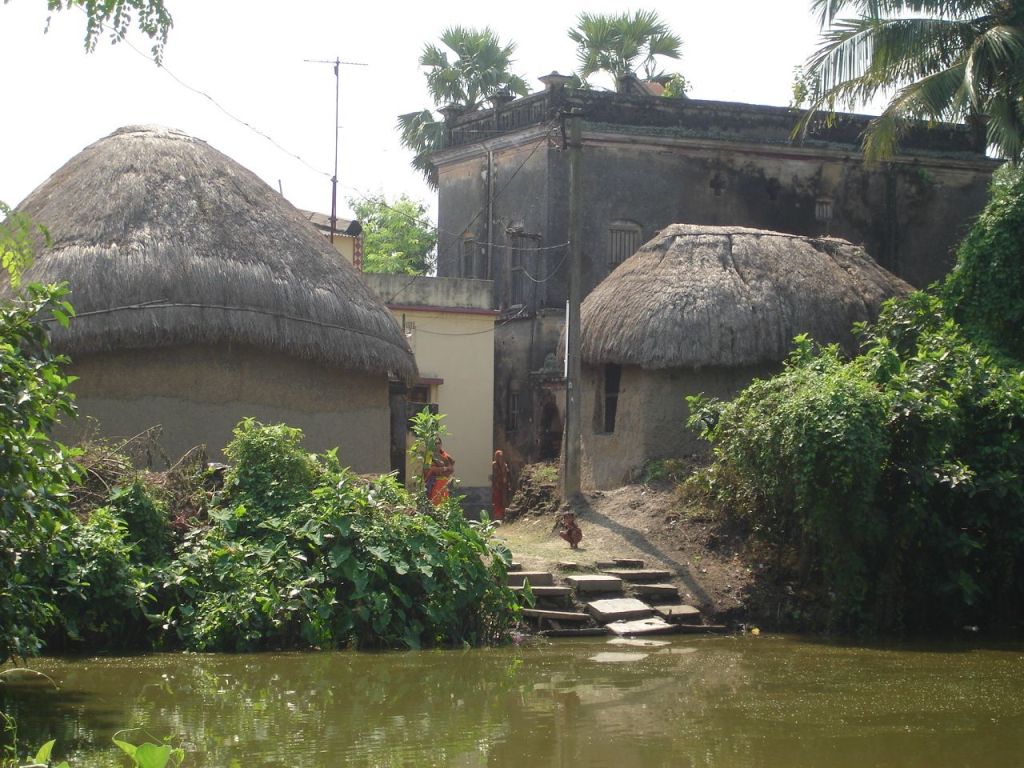
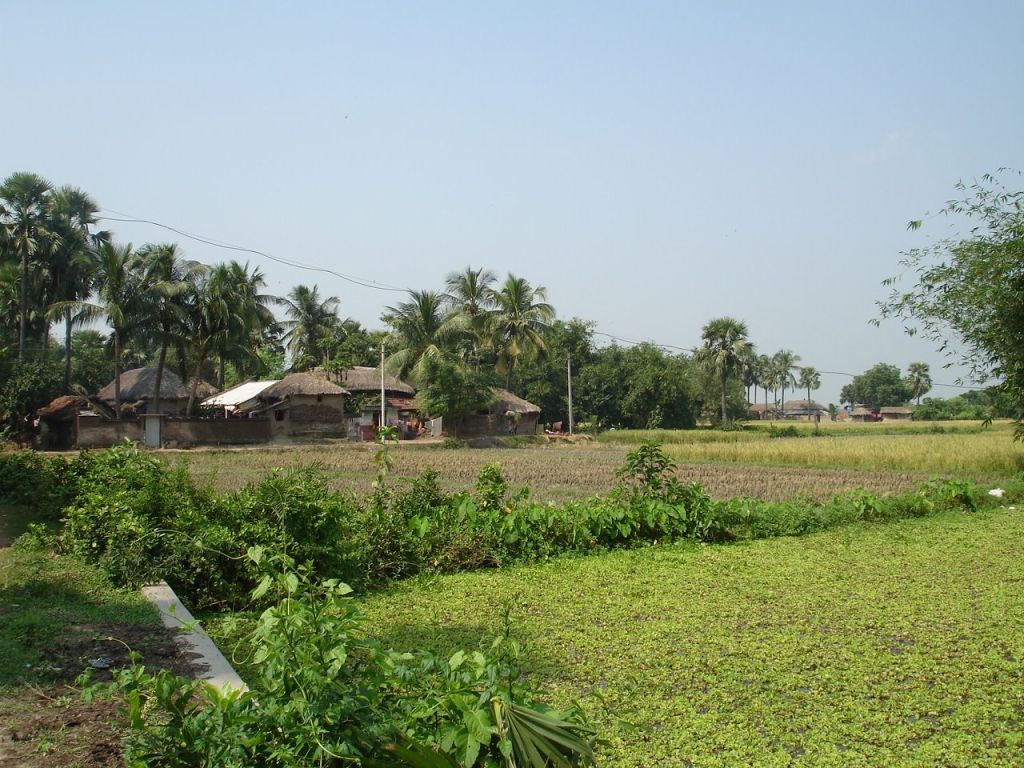
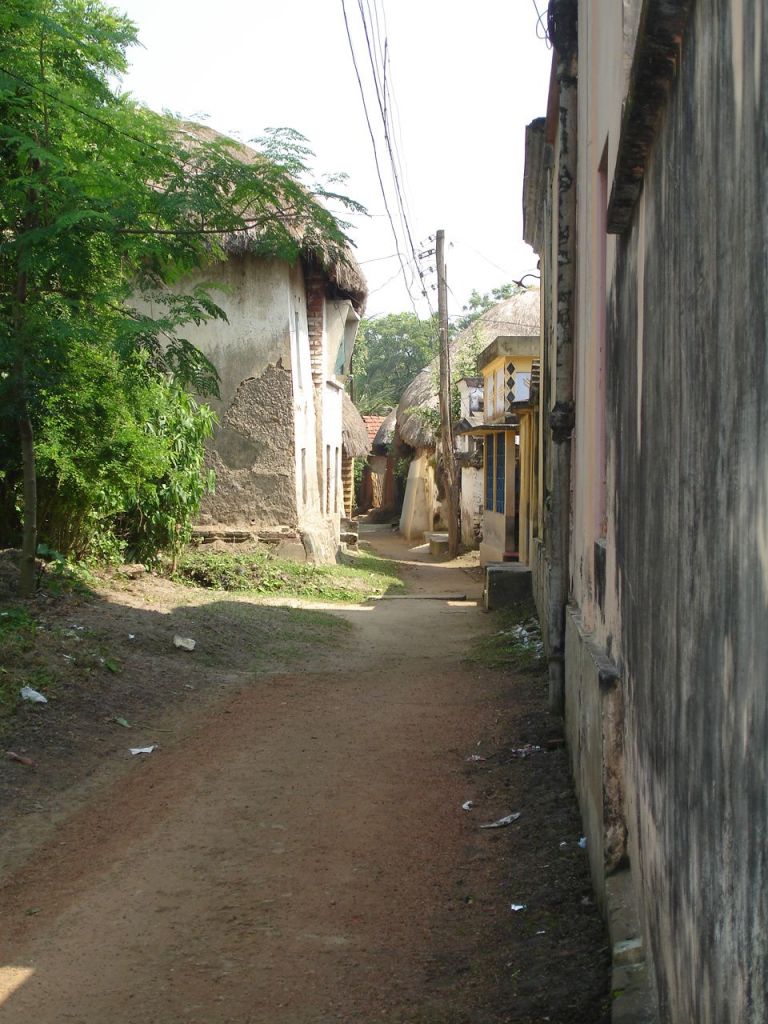
Putundro – Amma’s “aanchol bhora graam bangla”
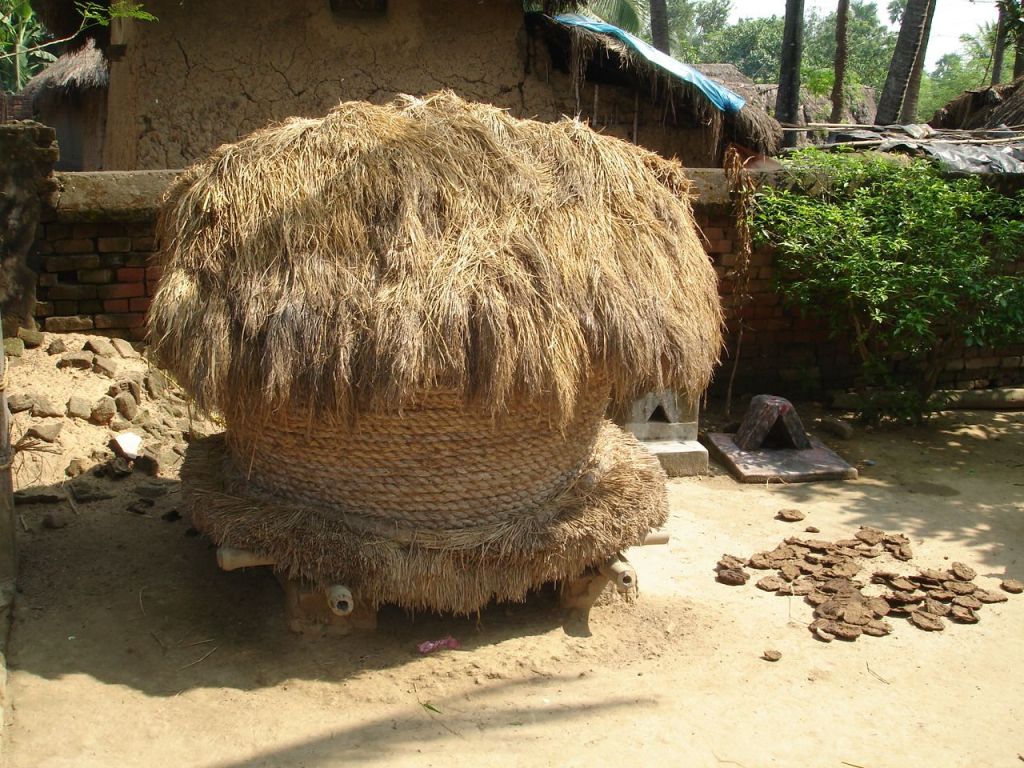
As SuhaelAmrita tells tale, growing up as a Probashi Bangali, holidays were the most cherished when it was in Kolkatta at Maniktala, my Amma’s (Paternal Grand-mother) home. The deep desire to eat fresh produce from Putundro, my ancesteral village where we have rolling fields of paddy & ponds full of fresh fish, were the starting points of intrigue into my quest with farming.
The taste of boiled unpolished rice with a sumptuous fish curry or simply chomping on some summer mangoes while sitting on the “uthon” parapet were moments etched to eternity, one that would keep me going until we set sail for the next vacation back home.
Putundro to Dhwaj
A little girl’s dream, the desire to someday be able to emulate Amma’s world took shape when Dhwaj was conceived. Albeit on differently abled terrains & soil but one that is closest to her current urban habitat.
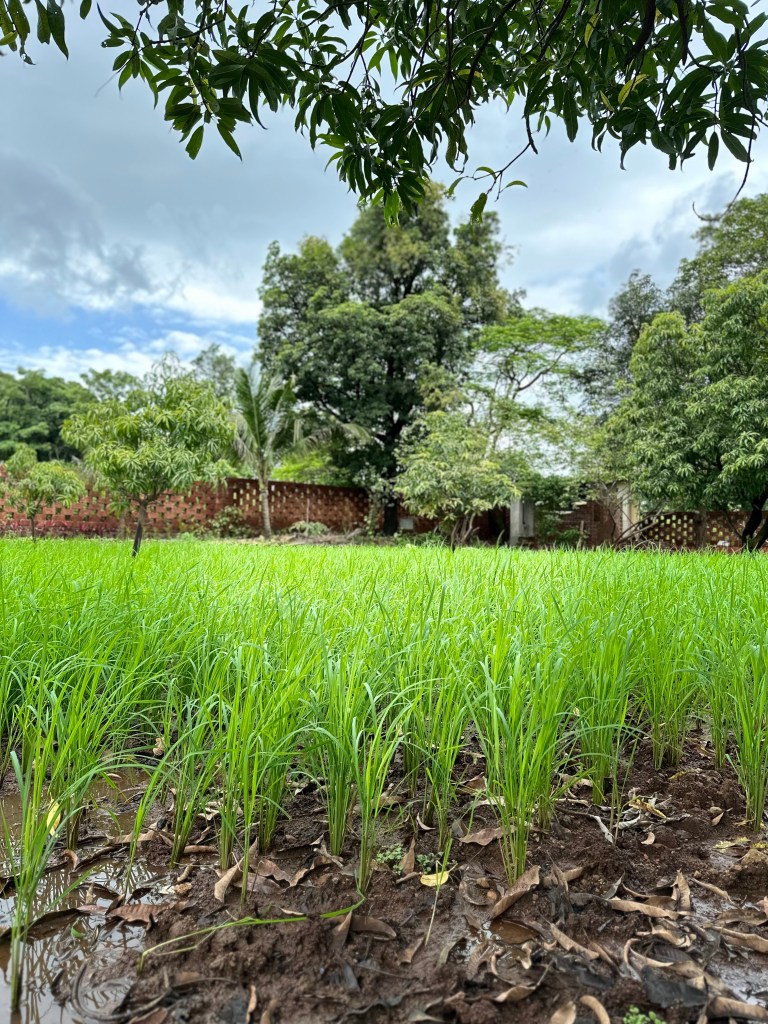
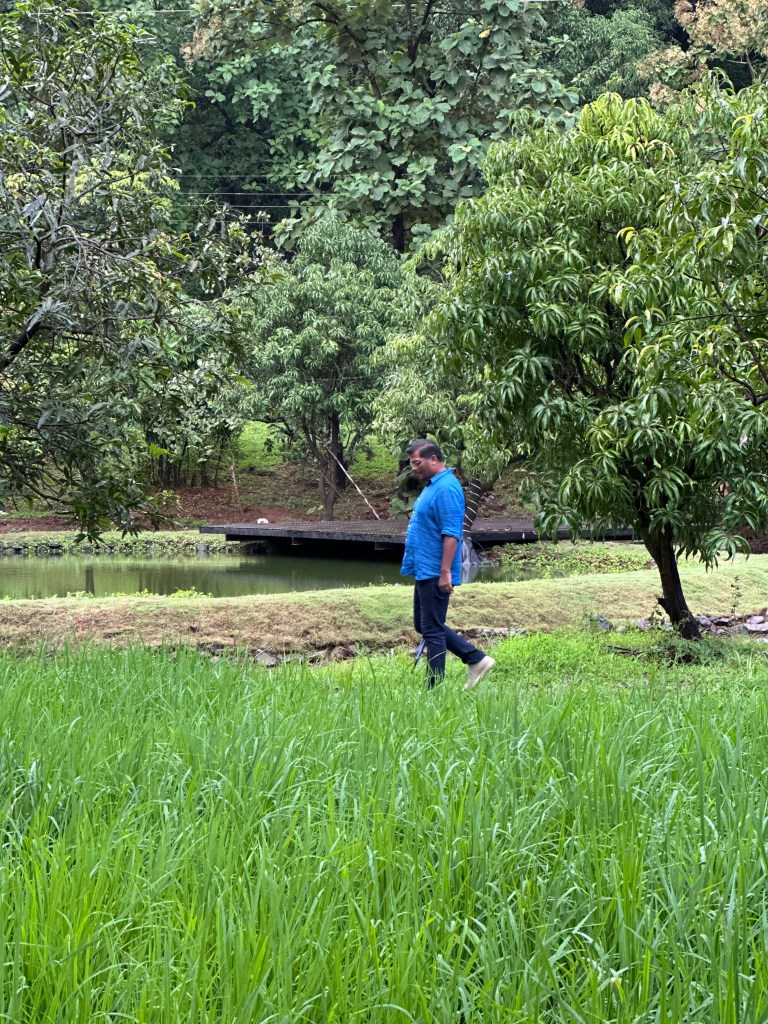
Paddy has the only possible real linkage to the beautiful scenery of West Bengal, one that we found intriguingly similar to this rice-growing terrain of Raigad. Famous for its dwarfed variety of rice, namely Jaya & Ratna, the water-fed beds do well with the aromatic variants as well. Thus began our experimentations with rice at our little patch of land in Dhwaj, where today we sow the fragrant Indrayani, a variety from the Ambemohor family of rice.
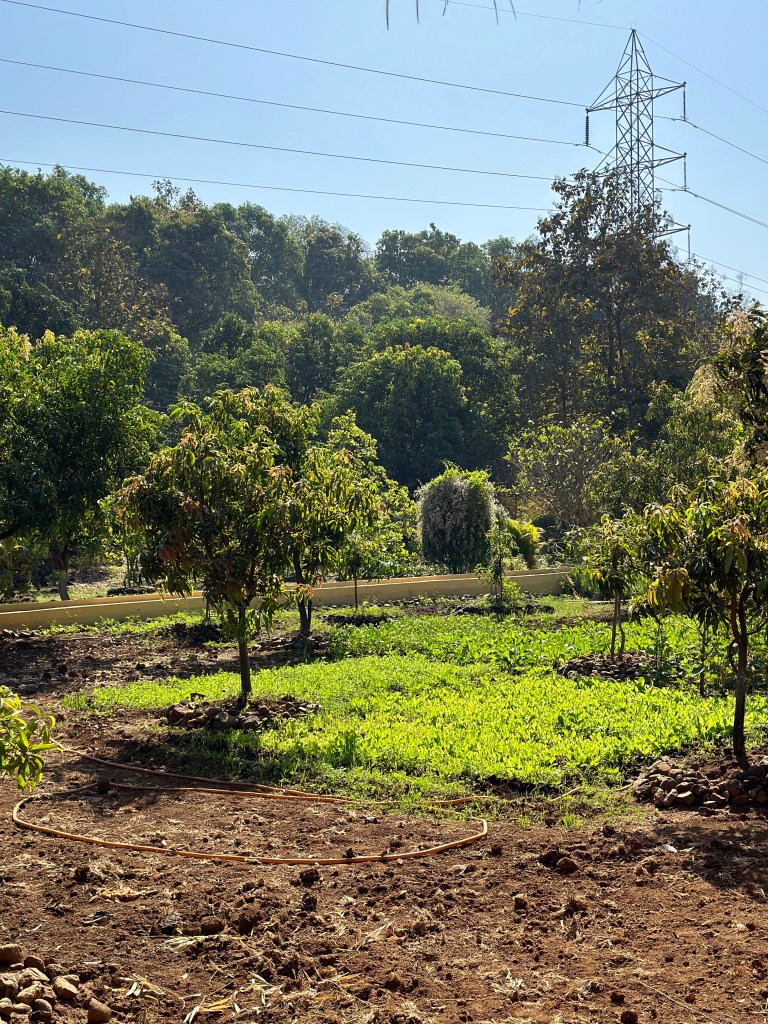
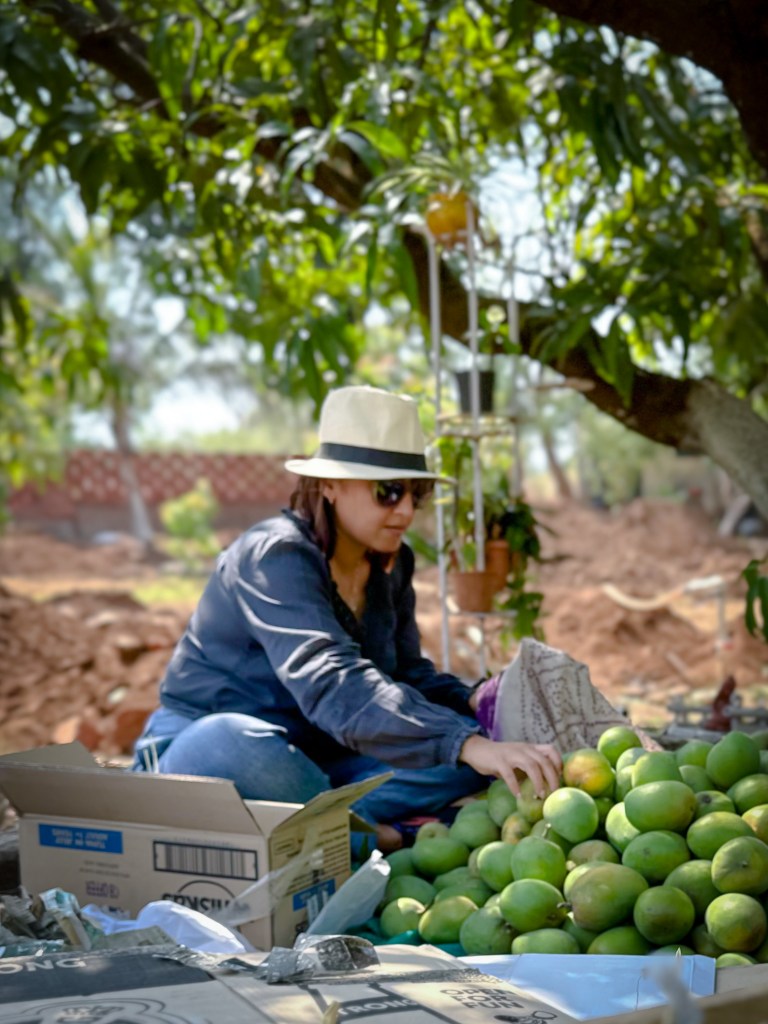
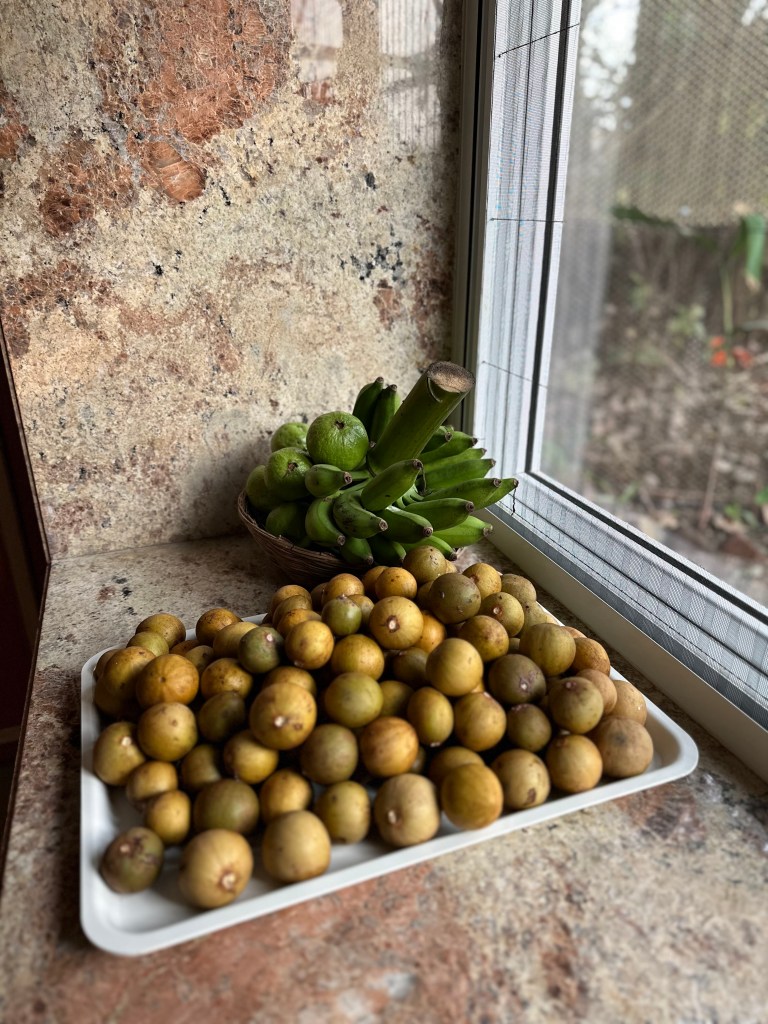
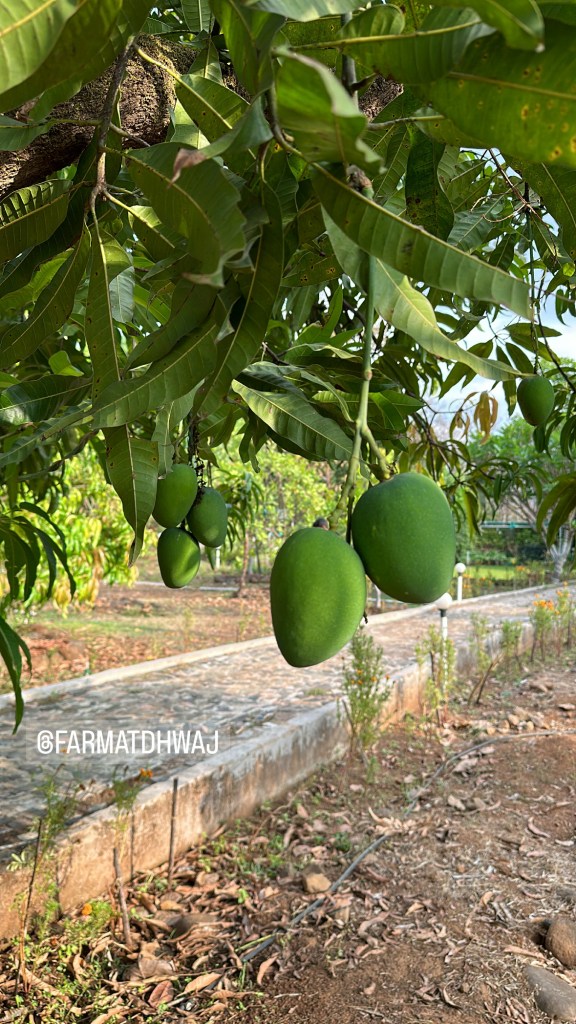
However, its not just rice where we found our inspiration but an orchard that boasts 180+ mango trees ranging from the delicious Raigad hapus to totapuri. The sweetest guavas, juicy sitaphal and loads of intoxicating cashews adorn our land parcel.
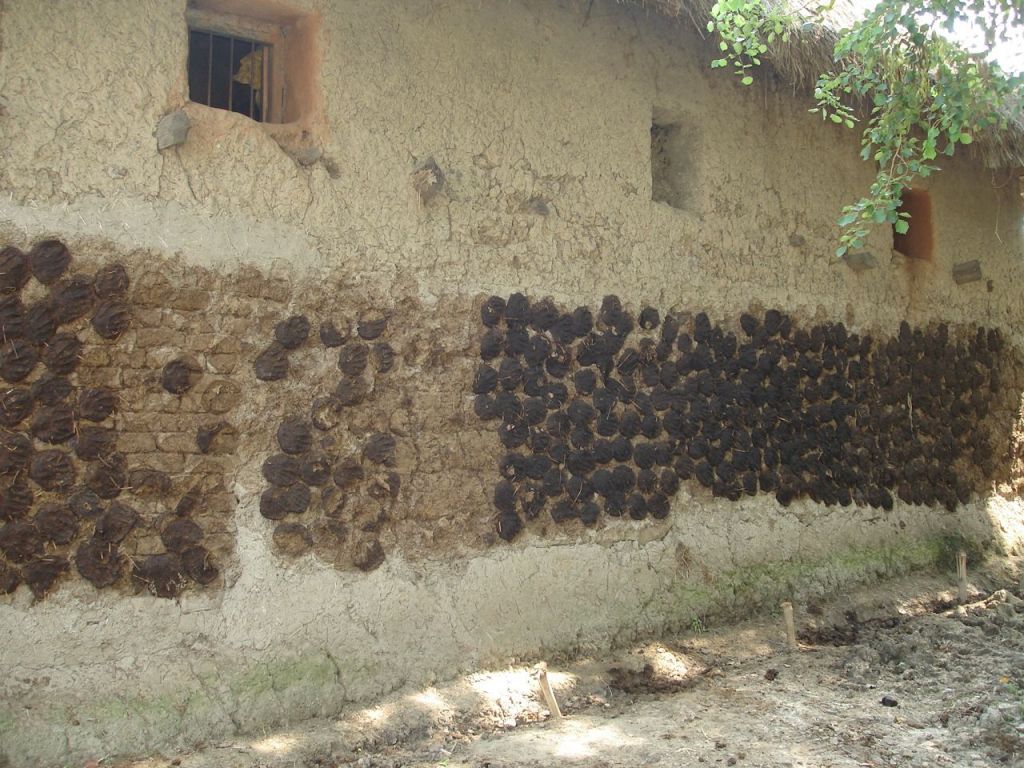
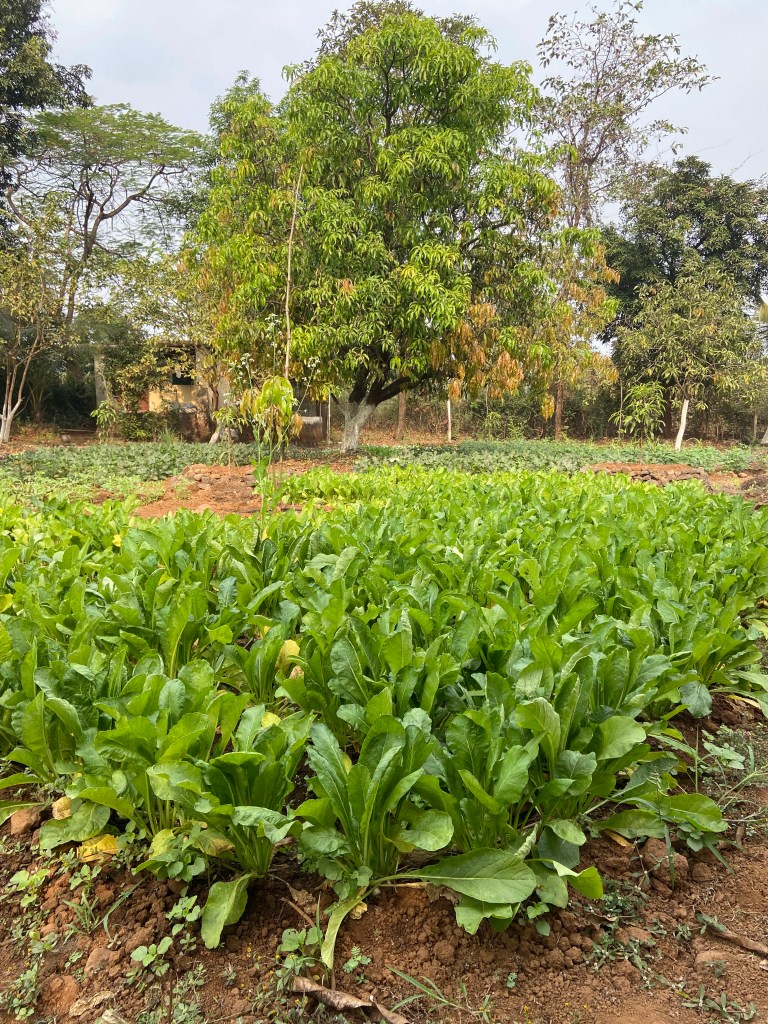
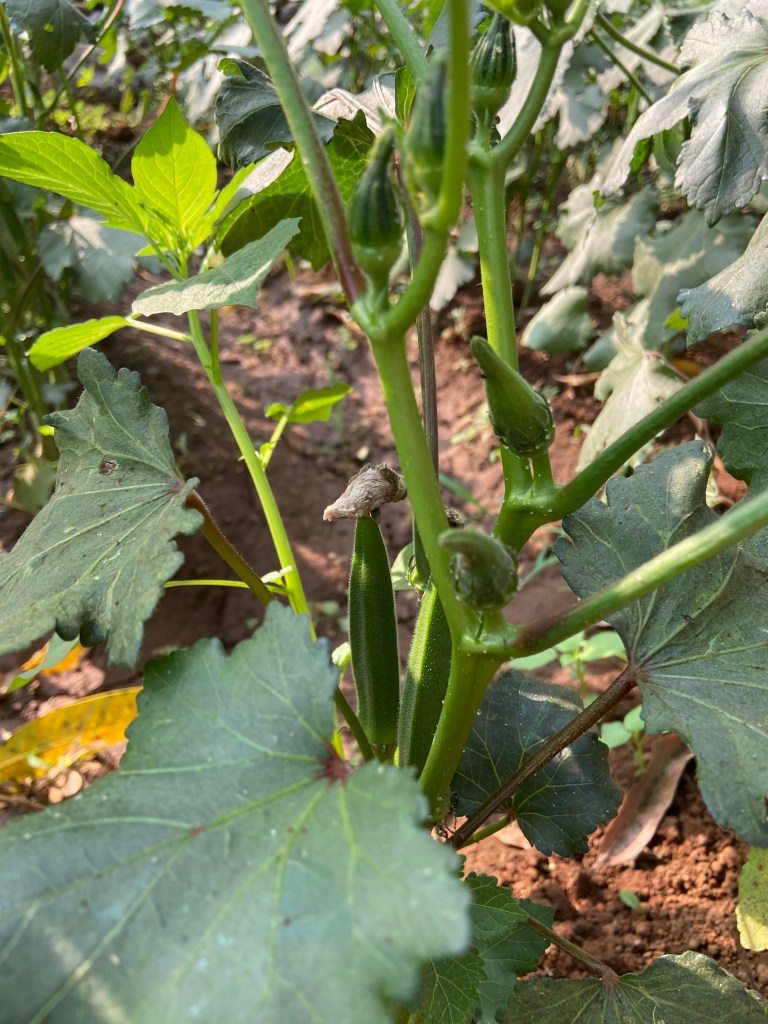
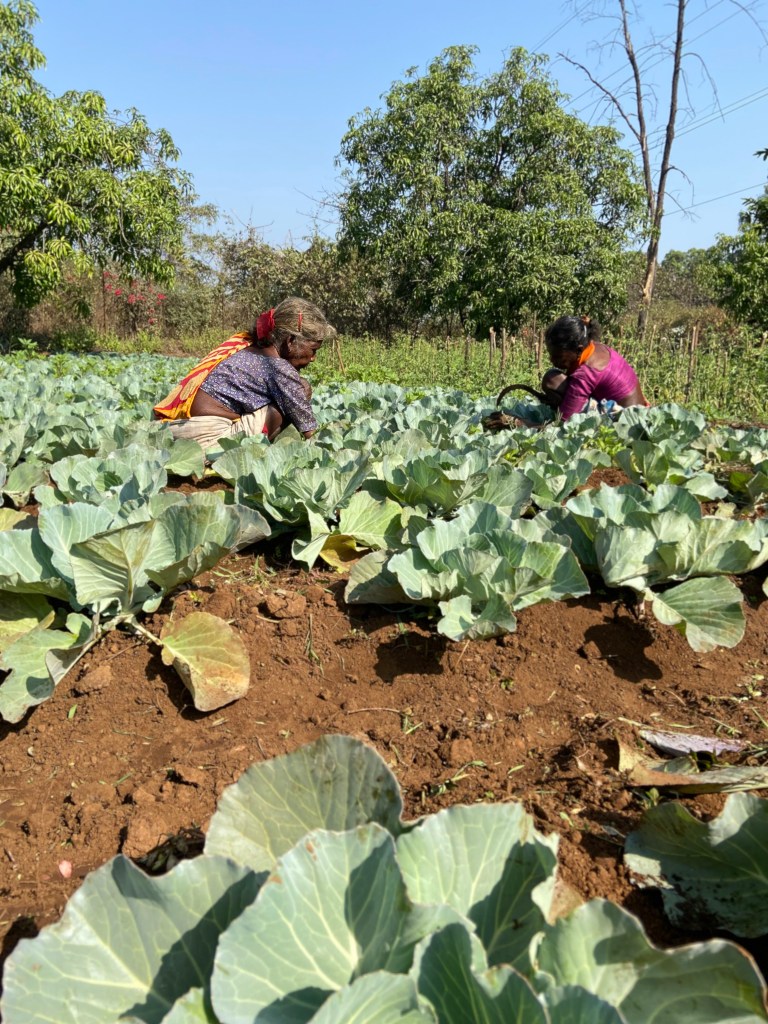
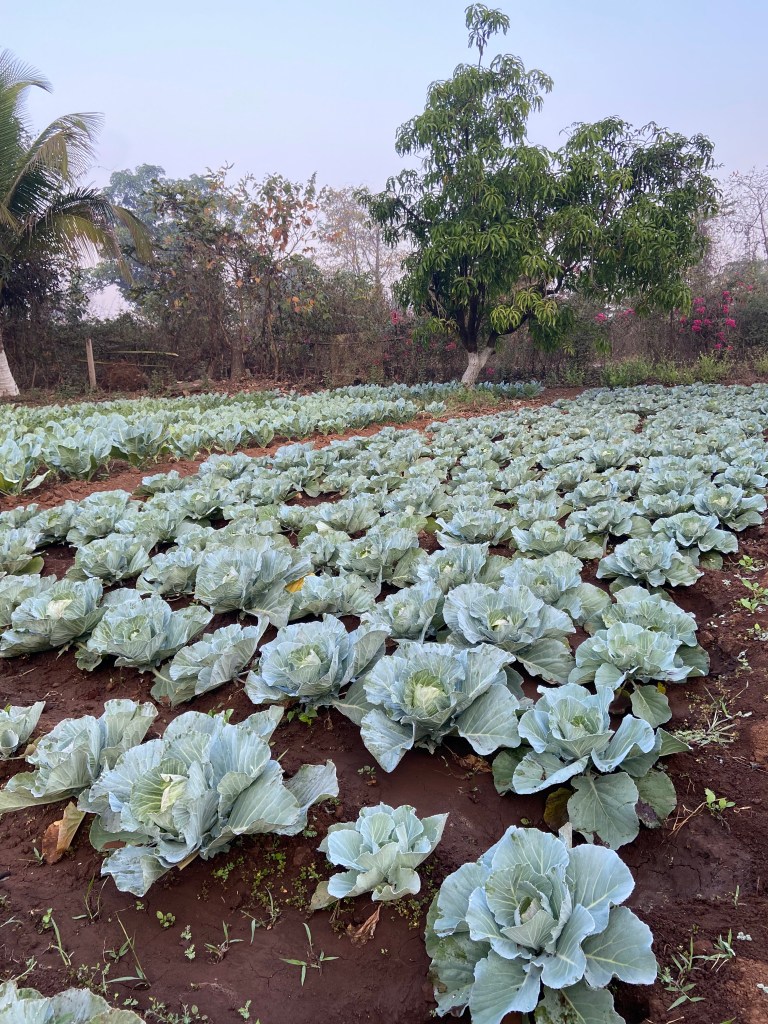
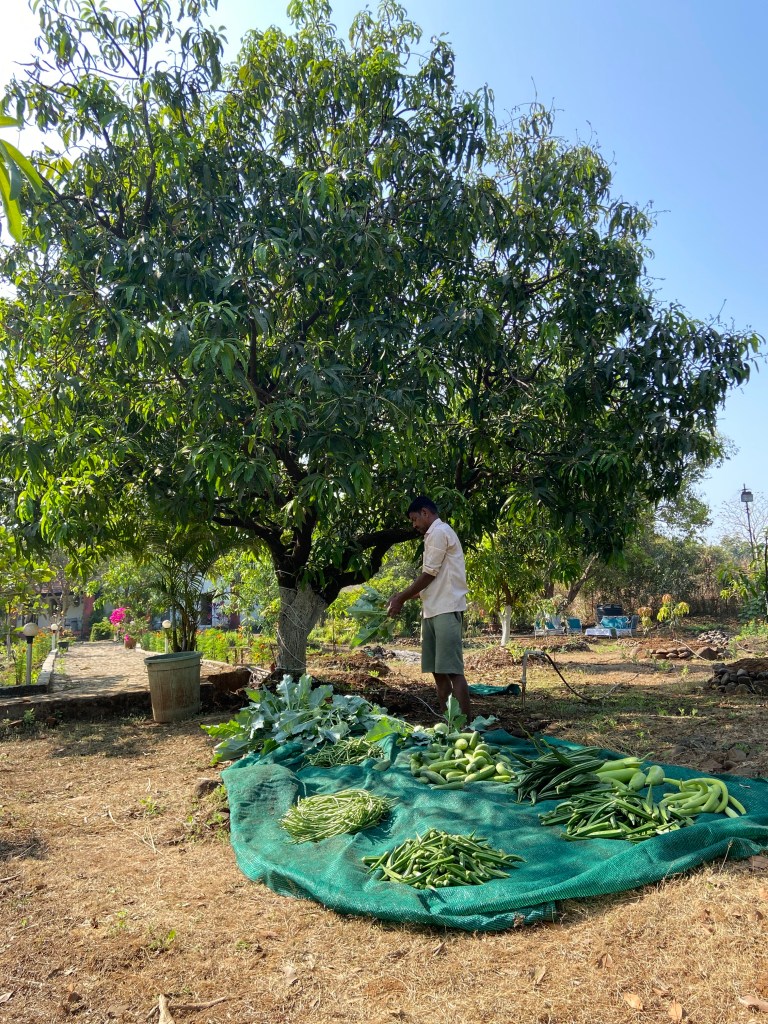
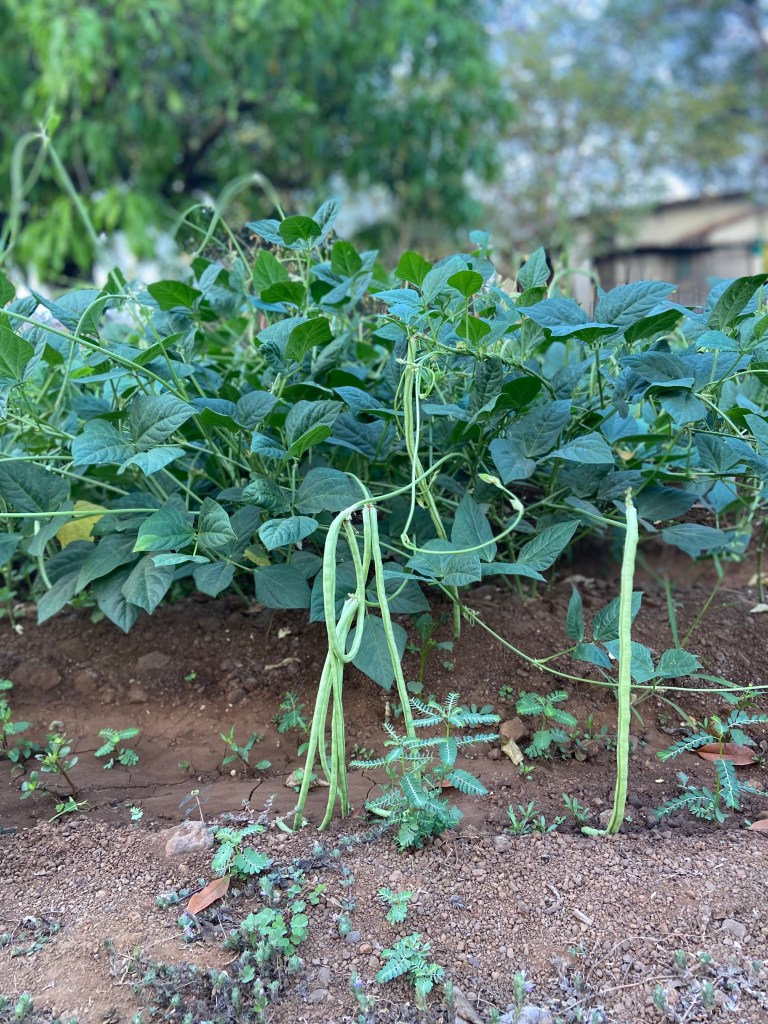
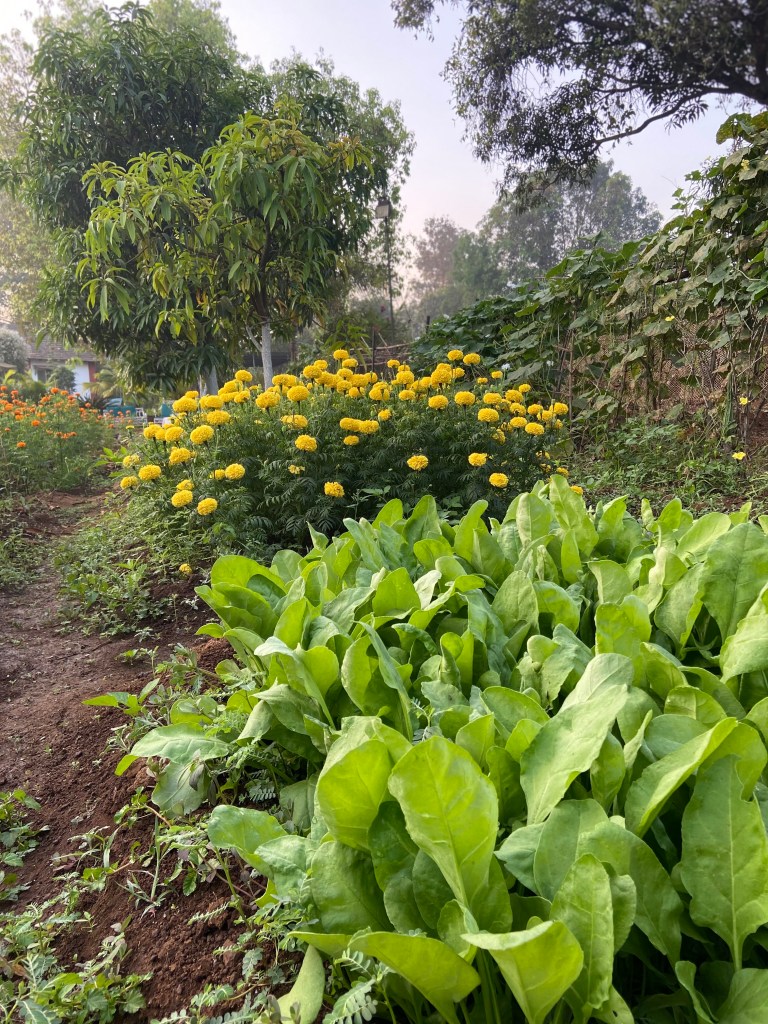
Dhwaj has rich soil, which we continue to nourish with booster shots of cow dung manure and the ever-so-nutritious ‘jeev-amrit’, a hand-whisked magic potion that is a must-have in our farmland. Our vegetables taste original and most flavorsome. At Dhwaj, we pride ourselves on our seasonal produce, curated in smaller quantities and largely delivered to some of our gated communities in Mumbai.
With a new ambition each year, Dhwaj has now invested in growing Haldi, Nachni and some root vegetables as part of its growing repetoire of variety of produce. The region is known for its spices and Dhwaj has some exotic ones housed within its periphery.
Feel the rustic life of our farm by visiting and experiencing the way of life at Dhwaj. While you plan your visit, we will share some delicious local dishes made with our homegrown produce. So stay tuned to our space…









 Dhwaj Experiential Farm
Leave a comment